MEDICAL TRAVEL COST
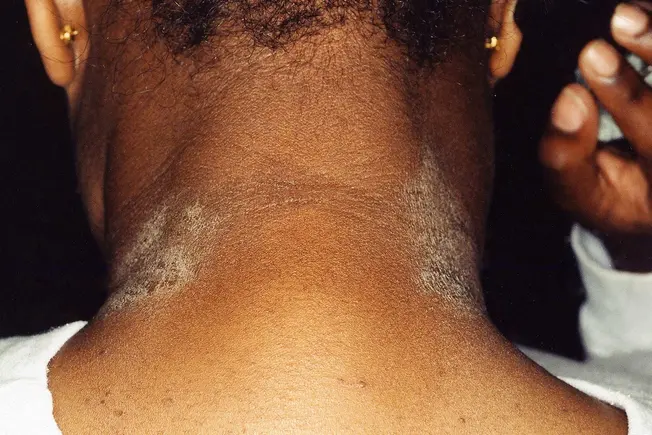
Eczema
USD 1300 onwards
Eczema is a general term for various conditions that make your skin itchy and red. Patches of your skin become itchy, red, cracked, inflamed, and rough. You may also have blisters in some cases. There are many types of eczema. The most common type is atopic dermatitis.
While eczema mostly affects young children, it can start at any age. 90% of the children who have eczema will show the signs in the first five years of life.
There is no permanent cure for eczema. However, treatments can help in reducing the itching and in preventing further progress.
Types of eczema
There are many different types of eczema. Some of the main ones are
Atopic dermatitis - It is the most common type. It tends to begin early in life. Symptoms include rashes on cheeks, neck, elbow, and ankles.
Contact eczema - There are two subtypes here. Irritant contact eczema happens due to contact with toxic substances. Allergic contact eczema is due to contact with allergens.
Stasis eczema - This tends to occur in people who have low blood circulation in the veins of the legs.
Dyshidrotic eczema - In this type, there will be small blisters on your hands and feet. It affects more women than men.
Hand eczema - It only affects your hand. You will have cracks and blisters on your hands.
Nummular eczema: You will have round, coin-shaped spots on your skin if you have this type
Stasis dermatitis: It is due to fluid build-up in your body. You will have ulcers and itchy skin in the lower part of the legs like ankle and the shin area.
What causes eczema?
The exact cause is not known. However, there are some substances or events that can trigger it such as
Irritants - These include soaps, detergents, shampoos, and disinfectants.
Allergens - Dust mites, pets, pollen, and mold can lead to eczema.
Microbes - Certain fungi and bacteria can lead to eczema.
Foods - Dairy products, eggs, and nuts can cause flare-ups in some people.
Stress - It makes your eczema even worse.
Hormones - Women experience increased symptoms during menopause when their hormone levels are changing.
What are the symptoms of eczema?
The signs can vary from person to person. The common ones include
Dry skin
Red and inflamed skin
Severe itching
Oozing or crusting in the skin
Areas of swelling
Dark-colored patches of skin
Rough patches of skin
Ayurveda and eczema
Ayurveda provides treatments for many diseases. People with skin problems like eczema usually get good results with this treatment.
Ayurveda has been in practice for more than 3000 years in India. Now, it is popular around the world.
There are seven layers of skin in our body. It extends deep into our bones. As per Ayurveda, the causes of skin diseases are deep-rooted and not limited to the outer layers.
All of us have three doshas or energy forces, Vata, Pitta, and Kapha. Vata controls all the circulation in our body. Pitta controls metabolism and digestion while Kapha takes care of the lubrication and structure. You will be healthy when these are in balance.
External and internal events can cause imbalances that will make you sick.
As per Ayurveda, many factors can trigger eczema. These include
Eating food items that are not compatible with each other. Examples of these include having fish and dairy products like milk or yogurt at the same time.
Having food with too much salt content
Suppressing your natural urges
Having a cold shower soon after coming inside during summer
Eating before your previous meal gets digested
Sleeping during the day time
All of these factors can cause digestive issues. It produces toxins or Ama in your body as well as aggravates Pitta dosha. It shows up as red blisters on your skin.
Vata dosha will also get worsened due to these conditions. Vata dominant eczema will have dry scales and itching on your skin. When Kapha gets bad, it causes thickening of the skin.
Thus, even though it is a predominantly Pitta disorder, Vata and Kapha also contribute in many cases.
Ayurvedic treatment for eczema
Vicharchika, a condition mentioned in the old Ayurveda texts, is very similar to eczema. The main idea is to detoxify a person using “panchakarma” therapies and to correct the metabolism.
The main treatment protocols for eczema include
Snehana - use of medicated oils or ghee both internally and externally
Vamana - removal of toxins through induced vomiting
Virechana - Oil and medicated enemas induced purging to let out the toxins
Kashayadhara – pouring of herbal extracts to heal the wound in the weeping type of eczema.
Thakradhara - pouring of medicated buttermilk over the affected area.
Sarvangalepam - paste application all over the body
You will need to be in the hospital for about 21 days for the treatment. Diet plays a vital role in the treatment. The food that you eat during the treatment will be as per the advice of your doctor. Ayurvedic hospitals will not allow you to bring food from outside.
Even after the initial panchakarma treatment, you may have to continue the medication as per the advice of the doctor for a stipulated period. This you can do at home. You may have to carry out the detoxification therapy repeatedly, as advised by the doctor.
Other treatments for eczema
These include medications and therapies.
The common medicines are
Corticosteroid creams or drugs that you will either apply on the skin or take as oral medicines
Antibiotics - If there is any bacterial infection.
Skin barrier repair creams - These reduce water loss and help heal the skin.
Therapies include
Wet dressing- It involves wrapping the affected area with wet bandages and topical ointments.
Phototherapy - It involves the exposure of your skin to sunlight and ultraviolet waves.
Complications due to eczema
Eczema can lead to some other complications like
Skin infections - Repeated scratching can break the skin and cause cracks and open sores. These increase the chances of infection
Asthma and hay fever - more than 50% of those who have atopic eczema develop asthma and hay fever
Sleep issues - Because of constant itching, you will have very little sleep. It will damage your sleep cycle
Controlling Eczema
There are some steps you can take that will help to relieve symptoms of eczema. These are:
Take shorter baths or showers - Limit your showers to 10-15 minutes. Use warm water rather than hot water.
Moisturize your skin at least twice a day - Choose products that work for your skin. Creams, ointments like petroleum jelly are good options.
Identify specific triggers that worsen your condition and avoid them. It can be sweat, stress, obesity, dust, and some types of soaps that can trigger your skin.
Avoid some food items like eggs, milk, soy, and wheat if they trigger eczema.
Take a bleach bath - Bleach baths help prevent flare-ups. Take a bleach bath no more than twice a week.
Use only gentle soaps - Make sure you use soaps that are mild on your skin