MEDICAL TRAVEL COST
Multiple Sclerosis (MS)
USD 2,000 onwards
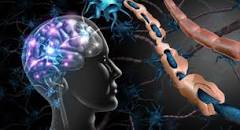
Multiple Sclerosis (MS) is an autoimmune disease of the central nervous system that affects the central nervous system. It happens when your immune system attacks myelin, the protective layer around your nerve fibers.
There are effective treatments in Ayurveda for Multiple Sclerosis. The condition is similar to what Ayurveda describes as Avrutha/Avarana Vata-type disease. MS disease treatment in Ayurveda usually takes 21 to 60 days. For early-stage MS, a treatment time of around 21 days may be enough. In other cases, you may have to be in the hospital for about 50 to 60 days.
The term Multiple Sclerosis means "scars in multiple areas." This disease affects the brain, the spinal cord, and the optic nerves of the body. Depending on the severity of the condition, MS can result in permanent nerve damage if left untreated.
Your symptoms will depend on the extent of your nerve damage as well as how long you have had it. Additionally, it depends on which nerves are affected. It is possible to relieve symptoms and slow the progression of the disease with treatment. MS patients have a ten-year shorter life expectancy than normal people. Nevertheless, with the right treatment, this is starting to improve.
What causes Multiple Sclerosis?
As far as we know, multiple sclerosis has no known cause. MS is an autoimmune disease in which the body's immune system attacks its own tissues mistaking them for foreign bodies.
A layer of myelin is present around the nerve endings in our body's central and peripheral nervous systems. It is an insulating layer surrounding nerve endings. This layer protects or insulates nerves, such as those in the brain and spinal cord. Additionally, they facilitate the transmission of electrical impulses from the brain to the rest of the body.
MS occurs when our immune system attacks and destroys myelin for some reason. Damage to myelin will either slow or block the transmission of messages to and from the brain.
Risk factors for MS
There are some factors that can increase the risk of developing Multiple Sclerosis.
- Age: MS is most likely to occur in people between 20 and 40 years of age.
- Gender: In comparison to men, women are three times more likely to suffer from MS.
- Smoking: Those who smoke are more at risk.
- Infections: Some virus infections, like Epstein-Barr, increase your risk of the disease
- Deficiency in vitamin D: Low vitamin D levels can increase your risk of MS
- Weather: MS is more prevalent in countries which are farther away from the equator.
- Family History:People who have first degree relatives with MS have a 3-5 % chance of developing MS in their lives
Symptoms of Multiple Sclerosis

Depending on the patient and the location of the nerve fibres affected, there are different symptoms. Some of the most common are:
- Muscle weakness: Patients may develop weak muscles due to nerve damage.
- Fatigue: Tiredness is a common symptom of multiple sclerosis
- Numbness or weakness in limbs: This usually occurs on one side of your body. You may experience it in your legs at times.
- Blurred or double vision: Some people with MS may experience vision problems. The condition only affects one eye at a time.
- Loss of Balance: You may also experience balance and coordination difficulties if you have MS. Dizziness and vertigo are common symptoms of MS.
- Shock sensations: Another common symptom of MS is electric shock sensations, which may occur as a result of certain neck movements.
- Incontinence: You may find it difficult to control your bladder if you have MS. You may feel the urge to urinate frequently.
- Speech: Slurred speech is another common symptom of Multiple Sclerosis.
- Memory: Having problems learning and remembering is another common sign.
Ayurveda and Multiple Sclerosis
Ayurveda is one of the oldest medical systems in the world and has been around for thousands of years. You will find references to this in ancient Indian texts or scriptures that date back thousands of years. There is a strong emphasis in Ayurveda on treating people in a way that is in harmony with nature. Thus, you will see that most medicines contain natural herbs in their formulations.
We all have three energy forces or doshas present in our bodies which are known as Vata, Kapha, and Pitta. The Vata dosha in your body is responsible for all functions related to circulation, such as your nervous system. In contrast, Kapha, on the other hand, is responsible for lubrication and the structure of the body, while Pitta controls metabolism and digestion. In a healthy state, there is a proper balance between all three doshas. You will be sick whenever any of these elements are out of balance.
There is a strong correlation between Multiple Sclerosis and Vata imbalance, which leads to the condition. This imbalance will cause circulatory problems in your brain and nervous system. Ayurvedic treatment for MS aims to correct this imbalance. Even though it is a Vata-predominant disease, digestive fire is the root cause. When the digestive fire or Agni is impaired, toxic substances accumulate in the body. A buildup of toxins blocks the minute channels of the body, preventing the movement of body energies and resulting in neuromuscular disorders. Untreated blockages can result in permanent nerve and tissue damage. As a result, they will cause extreme immune reactions, which will eventually affect the structure of nerve fibers.
MS disease treatment in Ayurveda

The Ayurvedic treatment for Multiple Sclerosis gives very positive results in most cases. Your condition will determine the type of treatment you will need.
Treatment focuses primarily on the following objectives:
- Reduce the progression of the disease by calming your immune system and thereby reducing its further progression
- Relieve any inflammation in your nervous system due to the condition
- Remove the ama (toxins) from the body with the help of panchakarma therapies.
- Ensure that your metabolism is working properly.
- Boost your immunity by rejuvenating your mind and body.
- Make sure that your nervous system and the cells that produce myelin are well-nourished.
- Rasayana treatments for healing tissues.
Standard Ayurvedic treatment procedures for MS include
- Abhyanga - massaging the body with warm medicated oil.
- Pizhichil - It consists of pouring warm, medicated oil over the body and massaging it.
- Njavarakizhi - massage using a special rice called Njavara in a cloth bag
- Sirodhara - An oil treatment that involves pouring medicated oil over your head.
It will be necessary for you to continue the medication at home after you have completed the initial treatment. In order to achieve maximum results, you may need to repeat the panchakarma treatments for three years. By using these treatments, we will be able to prevent the disease from progressing even further.
There is a possibility that two people with MS will have different treatment plans. Depending on your health condition, your doctor will decide on a treatment plan.
Diet, yoga, and meditation will also be part of your treatment.
Yoga postures for Multiple Sclerosis
Yoga is a safe and inexpensive method of promoting physical and mental health. Yoga can improve Multiple Sclerosis symptoms. The following are some of the most common benefits of yoga for people with Multiple Sclerosis:
- A reduction in fatigue
- Decrease in anxiety and depression
- Improved bladder function
- The reduction of pain and spasticity
These are the key yoga postures suggested for MS patients

- Vajrasana
- Bhujangasana
- Veerasana
- Dandasana
- Trikonasana
- Shavasana