MEDICAL TRAVEL COST
Parkinson's Disease
USD 1300 onwards

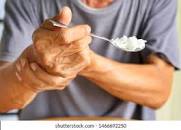
A progressive neurological disorder, Parkinson's disease affects millions of people worldwide. Approximately two out of every thousand people are affected by this condition. People over 50 are more at risk. In most cases, the first sign is a slight tremor in the hand. Afterward, you will notice stiffness and a slowing of movements.
The Indian medicine system of Ayurveda refers to Parkinson's disease in terms of the KAMPA VATA system, in which KAMPA represents tremor and VATA represents movement. There are very effective treatments for Parkinson's disease in Ayurveda. There is typically a 21-day treatment period, but this can vary depending on the patient's condition and stage of the illness.
The three main aims of Parkinson's disease treatment in Ayurveda are
- Delay the progression of the disease
- Reduce the symptoms as much as possible
- Use the minimum amount of medicine to stabilize the condition
Cause of Parkinson's disease
Until now, doctors have not been able to find the exact cause of Parkinson's disease. There are a few factors that apply to most people suffering from this condition. The following are some of them
- Mutations in genes
- Exposure to some types of toxic substances
- Insufficient dopamine levels in the brain
- The detection of Levy bodies (abnormal proteins) in the body
Main risk factors for Parkinson's disease

The following points are some of the factors that increase the risk of Parkinson's disease.
Age: People over the age of 50 are more likely to be affected by this disease.
History of Parkinson's disease in the family: Having a close relative who has the disease
Gender: In general, it is more prevalent in men than in women
Toxins: Exposure to pesticides and industrial waste on a regular basis
Head injury: A severe head injury is one of the main risk factors for Parkinson's disease
Symptoms of Parkinson's disease

It may take a while for symptoms to appear. It is also possible that they vary from individual to individual. A few of the most common ones are as follows:
Tremors: There are usually tremors in one hand, even if it is not moving. Another sign is the involuntary rubbing of the thumb and forefinger together.
Slow movements: Bradykinesia, or slow movement, is one of the most common symptoms of Parkinson's disease. It will be difficult for you to get up from the chair. You will start dragging your feet while walking, and your steps will be shorter.
Rigid muscles: You will have stiff legs and arms, which will cause you a lot of pain and limit your movement as well.
Posture: The posture of your body may change over time. There is also the possibility of stooping and changes in walking patterns.
Reflex actions: Your reflex actions, like blinking and smiling, may be affected.
Speech: It is likely that your speech will become slurred, slow, and low. There will be a monotonous tone to your voice.
Changes in handwriting: Another characteristic of Parkinson's disease is small, cramped handwriting or micrographia.
Constipation: Over half of patients with Parkinson's disease suffer from constipation.
Ayurveda and Parkinson's disease
In Ayurveda, an individual is treated as a whole, not simply a disease. In other words, it takes care of the root cause of the problem rather than just treating the symptoms. Ayurveda describes three kinds of energy forces within us called doshas. There are five elements of the universe that make up these doshas: Air, Fire, Water, Earth, and Space. These doshas are
- Vata: Air and Space are the aspects of Vata
- Pitta: Water and Fire are the two elements of Pitta
- Kapha: Water and earth are the attributes of Kapha
The Apana Vayu (air) controls the elimination of wastes from the body. This vayu accumulates in the body as we age and aggravates with time.
Ayurveda considers Parkinson's disease to be a Vata disorder. Several factors contribute to Vata imbalances, including stress, difficulty sleeping, and poor dietary choices. These factors aggravate Apana Vayu. Therefore, the vayu flows back into circulation instead of leaving the body. This leads to constipation, a major symptom of Parkinson's disease.
According to Ayurveda, there is a very close relationship between the gut and the brain. For this reason, many medical experts refer to the gut as our second brain.
Parkinson's disease treatment in Ayurveda

This method of treatment involves correcting imbalances between the gut and the brain. In this case, Agni, or digestive fire, is at the core of the relationship. The digestive fire, or Agni, consists of two levels.
Jatharagni: At the first level, or macro level, there is the digestive function of the stomach.
Dhatvagni - This second or microlevel deals with the metabolism of cells.
First and foremost, Ayurvedic treatment for Parkinson's disease aims to correct these two Agnis. The Ayurvedic therapies that strengthen or rejuvenate the body follow the correction of these two factors. Ayurvedic Panchakarma is traditionally the basis for these treatments. Some of the main procedures are
Snehana - The process of Snehana entails applying medicated oil to the body in order to treat disease.
Swedana - The Swedana steam bath is a medicinal steam bath that detoxifies the body.
Vasti - The purpose of Vasti (medicated enema) is to flush out toxins from the body.
The most common medicines to treat Parkinson's disease in Ayurveda are Ashwagandha and Bala. They rejuvenate and nourish the nervous system. Other medications include velvet beans, flaxseed, and Triphala.
Ayurvedic diet for Parkinson's disease

Diet is a crucial part of all Ayurvedic treatments. Dietary changes with foods that calm the senses are essential for success in the long run. The use of a diet rich in Omega 3 fatty acids, as well as antioxidants such as fresh vegetables, fruits, and fish, will provide excellent results when it comes to the treatment of Parkinson's disease.
Stages of Parkinson's disease

Since Parkinson's disease is a progressive disorder, the signs and symptoms evolve and worsen with time. In general, there are five stages.
Stage 1: This is the initial stage in which the impact is mild, and the symptoms are difficult to diagnose. There may be slight changes in posture and tremors in one hand. Nevertheless, you will be able to handle all daily tasks independently.
Stage 2: While the impact is still minor at this stage, it is becoming increasingly visible. There will be tremors on both sides. The posture may be stooping, and you may have difficulty walking. It is still possible for you to carry out daily activities without assistance. It may, however, appear that certain tasks are taking longer than usual.
The transition from stage 1 to stage 2 may take several weeks or months.
Stage 3: Slow movements become more common. Loss of balance is another issue that may lead to frequent falls while walking. While you can still perform tasks without assistance, you will have to exert more effort.
Stage 4: Stage 4 is the most critical stage because the condition has now deteriorated significantly. There will be severe restrictions on your mobility. It will now be necessary for you to receive assistance with your daily activities.
Stage 5: At this stage, the individual is in bed all the time and requires support.
Complications of Parkinson's disease
There are also other complications that may arise as a result of the disease, such as
Depression: Parkinson's disease can trigger anxiety and depression.
Difficulty eating: Some people have difficulty swallowing food, which makes it difficult for them to eat. As a result, people tend to drool excessively and have excess saliva in their mouths.
Sleep Pattern: There is a high prevalence of sleep disorders in people with Parkinson's disease.
Pain: Some people experience severe pain all over their bodies as a result of their condition
Sex drive: A common problem that many people with PD experience is a low sex drive.
Treatment for Parkinson's disease in modern medicine
The most common treatment option is levodopa, which increases dopamine levels. These medications can cause serious side effects. In addition, the dosage will need to increase over time. DBS surgery, a complicated brain operation, is the preferred treatment when symptoms are severe.