MEDICAL TRAVEL COST
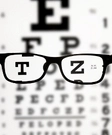
Myopia
USD 800 onwards
Myopia is a vision condition in which it is hard to see distant objects. It is also known as nearsightedness.
Myopia occurs when your eye's shape causes the light rays to bend incorrectly, which will focus the images in front of your retina instead of on your retina. Myopia is the most common cause of impaired vision amongst people under the age of 40.
You will find it hard to see the road signs or see any distant objects if you have this condition. Near-sightedness can run in families. It is a very common condition that can develop gradually or rapidly. You can fix this by wearing glasses or eye surgery. Ayurvedic treatment for myopia is an excellent treatment option.
What causes myopia?
Your eye has two main parts that focus on the images you see. These are:
The lens is the second part of your eye, after the retina. It helps you to focus on the images that you see.
The cornea - This is the transparent part of your eye that refracts all the light.
In the case of myopia, your cornea and lens are not smoothly curved as it should be. It causes a refractive error. So, the light focus will be in front of your retina instead of on your retina. It leads to blurry appearances for objects far away.
Risk factors of myopia
Age - People between the ages of 8 and 12 are more likely to be diagnosed with myopia. Since you are growing at this age, the shape of your eyes can change.
Visual stress - Visual strain due to watching TV, computers, bright objects
Genetics - Myopia can also be an inherited condition. It tends to run in families, so if your parents are near-sighted, you are at a higher risk of having it.
Symptoms of myopia
There are a few symptoms you might experience if you have nearsightedness. These include:
Headaches due to eyestrain
Blurry vision when looking at objects that are far away
The need to squint frequently to see clearly
Blink excessively
Constant rubbing of the eyes
Strained eyesight and body fatigue.
Diagnosis of myopia
A simple eye test with a refraction assessment can usually detect myopia. The refraction assessment will help determine if you have any vision problems such as myopia or astigmatism.
Your doctor may put a few eye drops, which will help you dilate your eyes. It will allow the doctor to have a wider view of your eyes.
Ayurveda and myopia
Ayurveda is an old medical system that has treatments for almost all conditions. Natural herbal medicines are the basis for this treatment. There is a branch within Ayurveda, the shalakya tantra, which deals with eye diseases.
We all have three main doshas or energy forces that determine our actions, body structure, and general health. Vata dosha controls the movement and circulation in our body. Pitta controls our digestion process and metabolism. Kapha is responsible for the lubrication and structure of the body.
We are healthy when these doshas are in balance. On the other hand, we will have diseases if they are not in balance. All these doshas also have sub doshas which control the function of the various parts of our body.
'Alochaka Pitta' deals with the function of eyes and vision. A dosha subtype, the 'Tarpaka Kapha', controls the lubrication of your nose, eye, and mouth. The Vata type that manages the brain, head, lungs, and heart is Prana Vata.
Myopia, or "Nikat Drishti Dosh' in Ayurveda, is a Pitta disorder. Junk foods, improper food habits, lack of proper digestion, stress, and strain can cause Pitta to go out of balance. It prevents adequate nourishment for your eyes. All the toxins created by the lack of digestion blocks the channels in the optic nerves.
Ayurvedic treatment for myopia
The main goals of the treatment are to
Balance the doshas which have worsened
Clear the blocks in the channels
Nourish the optic nerves
The treatment methods for myopia in Ayurveda involve both internal medicines and external therapies. The therapies include
Anjana - It is a paste of herbal medicines which gets applied to the inner eyelid area. It cleans the eyelids and the inner part of the eye by clearing out the toxins there.
Nethradhara - In this, liquid herbal medicine is poured over your eyes for about 30 minutes. This method washes and relaxes your eyes, strengthens the eye muscles and nerves
Sirodhara - It involves pouring of medicated liquid over your head. It reduces stress, anxiety, and pacifies Vata dosha.
Tharpanam - It is a process to strengthen the optic nerve. The therapists keep small rings made of a black gram over your eyes. Then, they pour medicated oil over this ring. It balances Pitta dosha, rejuvenates your eye and strengthens your eye muscles
Nasyam - This method is the administration of medicated oil through your nostrils. It is an effective way to clear any blocks in your nasal channels. The medicine is absorbed very fast.
Your doctor will decide on the actual treatment as per your condition.
Other treatments for myopia
The main goal of treatment is to improve your vision. It can be done by either using corrective lenses or refractive surgery.
Corrective lenses: Corrective lenses can treat nearsightedness by changing the shape of your eye.
Refractive surgery: This surgery will reduce the need for corrective lenses. In this surgery, your eye surgeon will reshape your cornea. Sometimes, even after the surgery, you may have to use eyeglasses for a while.
Complications of myopia
If you have severe myopia, you are likely to develop other eye disorders later on in life. These eye disorders could be glaucoma, cataracts, and retinal detachment.
Other complications include:
Clouding of the cornea - This tends to improve quickly
Infection of the cornea
Glare around any bright lights
Over-correction or under-correction of the eye
Increased pressure in the eye - This can lead to glaucoma.
Puncture of the eyeball or cornea